
Masawu: Zimbabwe’s Wild Fruit Making Waves in Traditional Medicine
- Lavender Kurwara
- 22 Aug, 2025

Masawu: Zimbabwe’s Wild FruitMaking Waves in Traditional Medicine
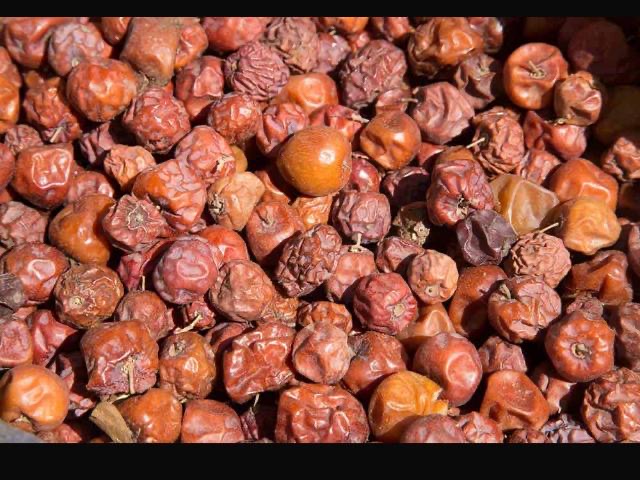
Harare, Zimbabwe – While many Zimbabweans enjoy *masawu* (Ziziphus mauritiana) as a seasonal fruit, few realise its powerful role in traditional medicine. Known for its sweet-tart flavour and crunchy texture, masawu has long been used across Zimbabwe and Southern Africa not just as food, but as a trusted natural remedy.
Traditionally sold in bustling markets like Mbare Musika — where a 20kg bucket can cost as little as US$8 — masawu is not only affordable but deeply valued for its medicinal versatility. The fruit is packed with dietary fibre and organic acids such as citric and malic acid, which support digestion and help relieve constipation naturally. In addition, masawu is rich in vitamin C and antioxidants, making it a reliable immune booster. It plays a critical role in strengthening the body’s defences and fighting infections, especially during flu season.
Traditional healers make use of not just the fruit but also the bark and leaves of the masawu tree. Extracts from these parts are commonly used to treat inflammation, wounds, and various skin conditions. In many communities, masawu-based preparations are also relied upon to soothe respiratory problems like chest congestion and persistent coughs. Thanks to its natural sugars, primarily glucose and fructose, the fruit serves as a quick source of energy and is especially useful for those recovering from illness or physical exertion. Some communities also prepare decoctions from the tree’s parts to help support liver and kidney function, aiding in detoxification.
Beyond its nutritional value, masawu carries cultural and medicinal importance, showing how traditional knowledge continues to support health in modern Zimbabwe. In a time where natural wellness is gaining global attention, masawu stands out as a reminder that some of the best remedies still grow wild and can be found on the wooden tables of local market stalls.
Leave a Reply
Your email address will not be published. Required fields are marked *
Search
Category